




Pure copper or CCA (copper-clad aluminum) Ethernet cable: how to choose?
Cable Ethernet Pure copper or CCA (copper-clad aluminum): how to choose?
When it comes to selecting Ethernet cables, the choice between pure copper and CCA (copper-clad aluminum) can significantly impact your network's performance. Understanding the differences between these two materials is essential for making an informed decision.
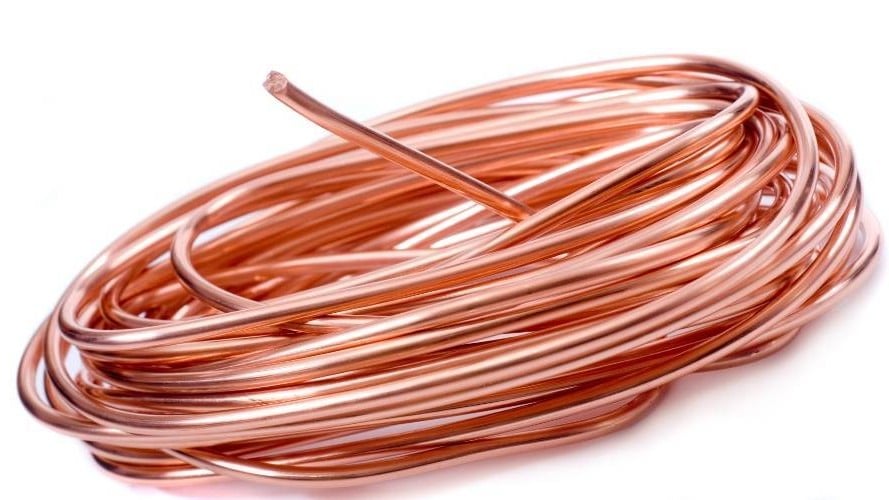
Pure copper cables are renowned for their excellent conductivity and durability. They provide superior bandwidth and faster data transmission speeds, making them ideal for high-performance environments such as gaming, video streaming, and large file transfers. Furthermore, pure copper cables experience less signal attenuation over long distances, ensuring a stable and reliable network connection.

On the other hand, CCA cables feature an aluminum core with a thin copper layer. This design makes CCA cables more cost-effective and appealing to budget-conscious consumers. However, the conductivity and durability of CCA cables are inferior to those of pure copper. Under high loads or over long distances, CCA cables can suffer degradation.DACsignal ionization and reduced speeds.
When choosing between these options, consider your specific needs. If you require high performance and reliability, pure copper cables are the best choice. However, if your networking needs are basic and you're working with a limited budget, CCA cables may suffice.
In short, understanding the differences between pure copper and CCA Ethernet cables will help you select the best option for your networking needs. Regardless of your choice, make sure the cable meets your connectivity requirements for a seamless online experience.