




Cat6 vs Fiber, What's the difference and how to choose?
cat6 vs FiberWhat's the difference and how do you choose?
When it comes to networking, choosing the right cable is crucial for optimal performance. Two popular options are cables Ethernet Cat6 and fiber optic cables. Understanding the differences between them can help you make an informed decision.
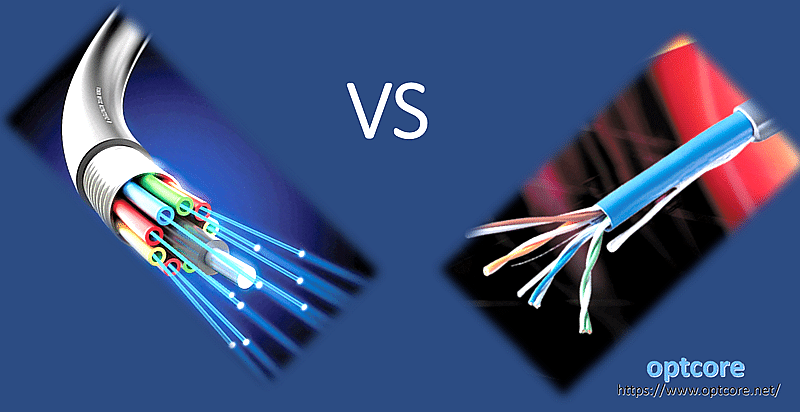
Cat6 Ethernet cables are a type of twisted-pair cable designed for high-speed data transmission. They support speeds of up to 10 Gbps over short distances (up to 55 meters) and are ideal for home and small office networks. Cat6 cables are relatively easy to install and are compatible with existing Ethernet infrastructure, making them a convenient choice for many users. However, they are susceptible to electromagnetic interference (EMI), which can affect performance in environments with many electronic devices.
Fiber optic cables, on the other hand, use light to transmit data, enabling much higher speeds and longer distances—up to 100 Gbps over several kilometers. Fiber optic cables are immune to EMI, making them ideal for environments with high interference. They are commonly used in enterprise networks, data centers, and internet backbones. However, fiber optic installation can be more complex and expensive compared to Cat6.
When choosing between Cat6 and fiber, consider your specific needs. If you need high-speed internet for a home or small office and want a cost-effective solution, Cat6 may be the best option. However, if you need to cover long distances or require the highest speeds available, fiber optic cables are the way to go.
In summary, both Cat6 and fiber optic cables have their advantages. Evaluate your network requirements to choose the best option for your situation, ensuring a reliable and efficient connection.